Supporting Your Child Through PSLE: A Guide to Managing Stress and Staying Well
A comprehensive guide for Singapore parents on navigating the PSLE journey with a focus on mental wellbeing, healthy routines, and positive motivation.
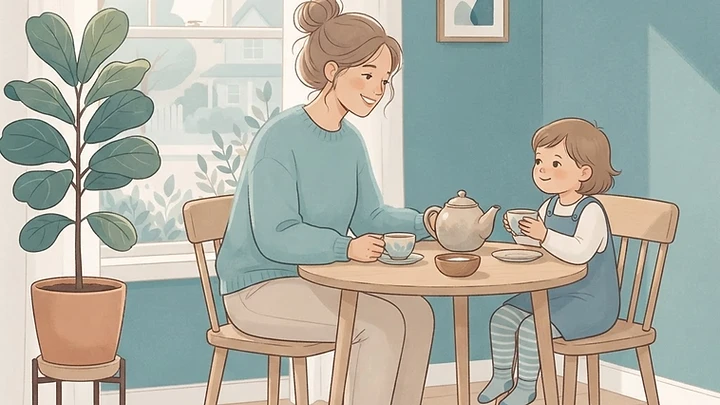
The Primary School Leaving Examination (PSLE) is often described as the first major milestone in a Singaporean child's academic journey. As we approach the 2026 examination season, it is natural for both parents and students to feel a sense of anticipation. However, this period does not have to be defined by high-octane stress or burnout.
According to the Singapore Examinations and Assessment Board (SEAB), the PSLE is designed to assess a student’s learning at the end of primary school. While it is an important placement tool, it is only one part of a much larger educational journey. As a parent, your role is to be the steady anchor in the storm—providing the emotional and physical environment your child needs to perform their best without compromising their wellbeing.
Recognizing the Signs of Exam Anxiety
Before we can manage stress, we must be able to identify it. Children often lack the vocabulary to say, "I am feeling overwhelmed by the weight of expectations." Instead, anxiety manifests in physical and behavioural changes.
Physical Red Flags
Stress often speaks through the body. Watch for these common symptoms in your Primary 6 child:
- Disrupted Sleep: Difficulty falling asleep, frequent nightmares, or waking up feeling unrefreshed.
- Appetite Changes: A sudden loss of interest in favourite foods or, conversely, emotional overeating.
- Somatic Complaints: Frequent headaches, stomachaches, or nausea, particularly on mornings involving mock papers or heavy tuition schedules.
- Fatigue: Feeling constantly tired despite not engaging in physical exertion.
Emotional and Behavioural Shifts
Psychological stress can lead to changes in temperament. You might notice:
- Increased Irritability: Snapping at siblings or parents over minor issues.
- Avoidance: Procrastinating on specific subjects or showing a sudden lack of interest in hobbies they once loved.
- Negative Self-Talk: Phrases like "I'm just not good at Math" or "I'm going to fail anyway" are cries for reassurance.
- Withdrawal: Spending excessive time alone or becoming unusually quiet.
Research suggests that parental stress is a significant driver of child anxiety, with a high correlation between how a parent feels and how the child performs. Recognizing these signs early allows you to pivot from a "push" strategy to a "support" strategy.
The Foundation: Sleep, Nutrition, and Routine
In the final sprint toward the 2026 PSLE, it is tempting to trade sleep for extra practice papers. However, science suggests this is counterproductive. Physical health directly impacts cognitive function and memory retention.
The Power of 9 Hours
Primary school children generally require 9 to 11 hours of quality sleep to function optimally. During sleep, the brain consolidates what was learned during the day, moving information from short-term to long-term memory. A sleep-deprived child will struggle with the complex problem-solving required in the PSLE Mathematics and Science papers.
Practical Tip: Establish a "digital sunset" at least one hour before bed. The blue light from tablets and phones can interfere with melatonin production, making it harder for your child to fall into a deep, restorative sleep.
Brain-Boosting Nutrition
Avoid the temptation of sugary "comfort foods" which lead to energy crashes. Instead, focus on:
- Complex Carbohydrates: Whole grains like oats or brown rice provide steady energy for long study sessions.
- Omega-3 Fatty Acids: Found in fish like salmon or walnuts, these support brain health.
- Hydration: Even mild dehydration can lead to a drop in concentration. Ensure your child has a water bottle nearby at all times.
Managing Screen Time
While educational apps and online practice tools are valuable, recreational screen time should be balanced. Use screens as a reward for completing a task rather than a default way to unwind. Encourage "green time"—outdoor activity—which has been shown to reduce academic anxiety and improve working memory.
Motivating Without Pressure: The AL System Context
Since 2021, Singapore has moved away from the T-score system to Achievement Levels (AL). This shift was specifically designed to reduce the "every mark counts" mentality. Under the AL system, students are graded based on their own performance rather than how they rank against their peers.
Focus on Effort, Not Outcomes
When discussing the PSLE, shift the conversation from "What AL do you think you'll get?" to "I am so proud of how hard you worked on that challenging Science concept today." By praising the process—resilience, discipline, and curiosity—you build a growth mindset. This ensures that your child’s self-worth is not tied to a single number on a result slip.
The "Master Notebook" Strategy
Rather than doing endless new papers, encourage your child to maintain a "Master Notebook" of past mistakes. This is a highly efficient, low-pressure way to revise. It focuses on specific gaps in knowledge rather than general drilling, making the workload feel more manageable and less overwhelming.
Emotional Support Strategies for Parents
It is often said that when a child sits for the PSLE, the whole family sits for it. Managing your own emotions is crucial because children are highly sensitive to their parents' unspoken anxieties.
Model Calmness
If you are constantly checking the 2026 exam dates or discussing cut-off points for secondary schools at the dinner table, your child will perceive the exam as a high-stakes threat. Model healthy stress management by maintaining your own hobbies and staying calm when mock results are less than ideal.
Create a "Safe Harbor" Home
Home should be a place where the PSLE is not the only topic of conversation. Protect "non-academic time" where you engage in activities that have nothing to do with school—baking, cycling, or watching a movie together. This reminds your child that they are loved for who they are, not just for their academic output.
Knowing When to Seek Professional Help
While some level of nervousness is normal, there are times when professional intervention is necessary. If your child exhibits the following, consider speaking to a school counsellor or a paediatrician:
- Panic Attacks: Sudden episodes of intense fear accompanied by heart palpitations or shortness of breath.
- Severe Withdrawal: Refusing to go to school or complete any work for an extended period.
- Persistent Low Mood: A lack of joy in everything, lasting more than two weeks.
- Self-Harm Thoughts: Any mention of self-harm should be taken seriously and addressed immediately.
As noted by MOE's Parent Kit, supporting your child's mental health is just as important as supporting their academic growth. There is no shame in seeking help; it is a proactive step toward long-term resilience.
Post-Exam Wellbeing: Managing the Wait
The period between the final paper and the release of results can be an anxious time. In 2026, the marking period is scheduled for Monday 12 October to Wednesday 14 October. During this time, all primary school students will be on a school break.
Decompressing
Allow your child to truly rest after the exams. Avoid the urge to "post-mortem" every paper. What is done is done. Instead, celebrate the completion of the milestone. Whether the results are an AL1 or an AL8, the effort of finishing the journey is what deserves a celebration.
Exploring Interests
Use the post-exam weeks to explore secondary school options based on your child's strengths, interests, and learning styles, rather than just cut-off points. This shifts the focus from the "end" of primary school to the "beginning" of an exciting new chapter.
Key Takeaways for Parents
- Prioritize Sleep: 9-11 hours is non-negotiable for memory consolidation.
- Watch for Signs: Physical symptoms like stomachaches are often signs of hidden anxiety.
- Effort Over Grades: Use the AL system's logic to focus on individual progress rather than peer comparison.
- Manage Your Own Stress: Your calm is contagious; so is your anxiety.
- Protect Downtime: Ensure your child has at least one hour of non-academic, screen-free play daily.
Frequently Asked Questions (FAQ)
Q: How much tuition is too much during the PSLE year? A: If tuition is causing daily conflict or leaving no time for sleep and play, it may be counterproductive. The goal is quality of learning, not quantity of hours. MOE has removed mid-year exams to reduce this pressure; try to align your home schedule with this philosophy.
Q: My child is scoring poorly in mock papers. How do I stay encouraging? A: Focus on the "Master Notebook" approach. Instead of looking at the total score, look at the specific types of questions missed. Treat every mistake as a "discovery" that prevents the same error during the actual PSLE.
Q: What should we do the night before the first paper? A: Avoid last-minute cramming. Pack the stationery bag together, ensure the approved calculator is working, and focus on a relaxing routine. A confident, well-rested child will always perform better than a stressed, exhausted one.
Q: How do we handle the wait for results in November? A: Keep the focus on the transition to secondary school. Visit school open houses and discuss the different programs available (like CCA or Applied Learning Programmes) to build excitement for the future regardless of the final score.
Looking for the right tutor?
Browse verified tutors and tuition centres across Singapore.